Introduction
When it concerns landscape style, there's a lot that goes into producing an aesthetically pleasing and functional outside area. Amongst the myriad components involved, one typically neglected hero is the retaining wall Frequently functioning as unrecognized heroes, these structures not just supply assistance and stability however likewise function as sophisticated functions in gardens, yards, and public areas. If you're wondering how a retaining walls builder fits into this photo, you've landed on the best page. Join me on this journey as we dive much deeper into the nuances of maintaining walls and their builders.
Understanding the Role of a Retaining Walls Builder in Landscape Design
Let's kick things off by examining simply what a retaining walls builder does. A retaining walls builder is not just a contractor; they are artisans who understand both structural stability and aesthetic appeal. These professionals focus on developing and building walls that keep soil on sloped surfaces, preventing disintegration while providing usable space for planting or leisure activities. They work with various products such as concrete sleepers, timber sleepers, and even wood sleepers, each offering distinct benefits.
What Makes Retaining Walls Essential?
Retaining walls serve numerous purposes:
- Erosion Control: They prevent soil disintegration by keeping back soil on slopes. Space Utilization: By leveling areas, they produce flat zones for gardens or patios. Aesthetic Appeal: With various products available, they boost the appeal of landscapes.
Different Types of Retaining Walls
When considering a maintaining wall job, it's important to comprehend https://jsbin.com/hepayemize the various types available. Here's a quick rundown:
|Type|Material Utilized|Pros|Cons|| ------------------|----------------------|------------------------------|-----------------------------|| Gravity Wall|Concrete|Easy design|Minimal height|| Cantilever Wall|Concrete|Effective use of materials|Needs considerable base|| Sheet Piling|Steel or Vinyl|Great for water retention|Expensive|| Lumber Wall|Wood or Wood Sleepers|Natural appearance|Vulnerable to rot|

Why Choose Concrete Sleepers?
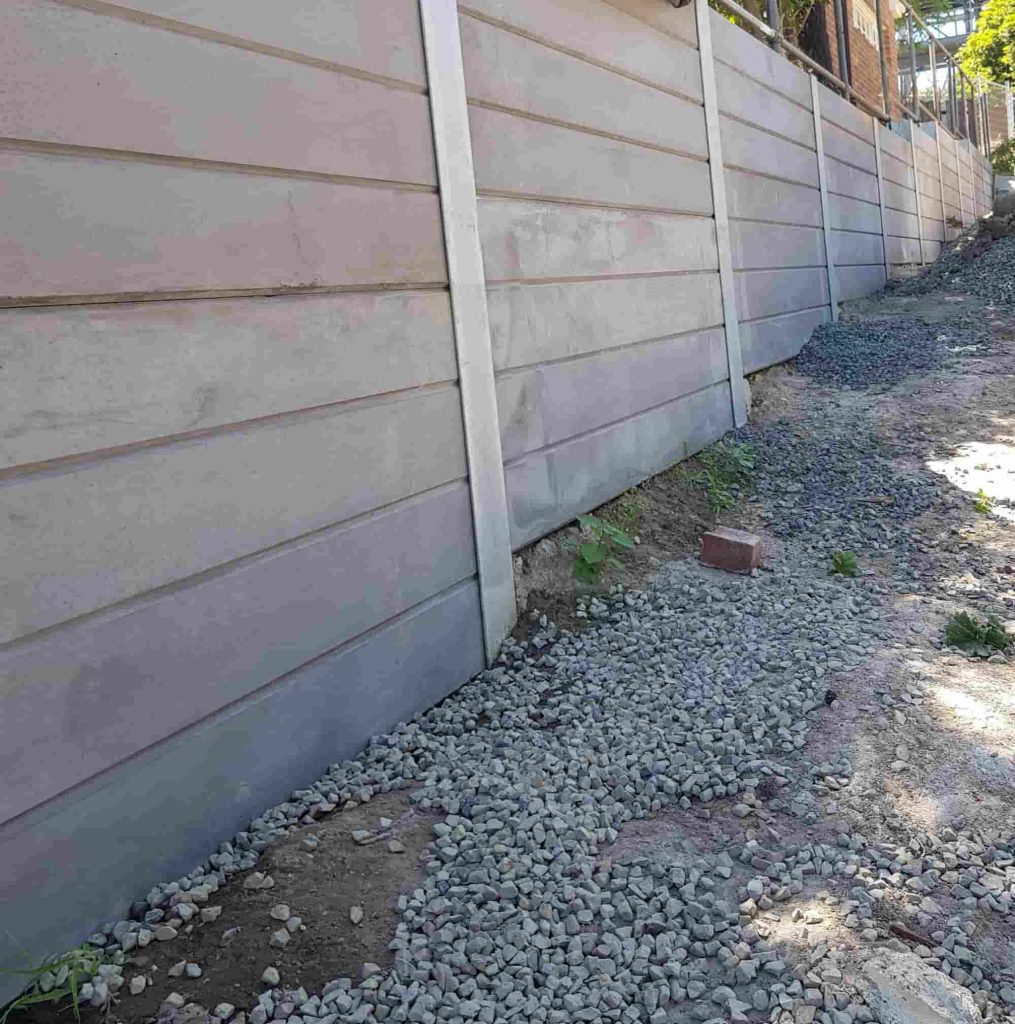
Concrete sleepers have gained popularity in time due to their durability and adaptability.
Advantages of Concrete Sleepers
Weather Resistance: They hold up against extreme climate condition without deforming or rotting. Low Maintenance: Unlike wood that requires routine maintenance, concrete deals longevity with minimal care. Design Flexibility: Readily available in numerous colors and textures, they can match any landscape style.Installation Process of Concrete Sleeper Keeping Walls
Site Preparation: Cleaning and leveling the location where the wall will be built. Foundation Creation: Digging trenches for solid footing. Setting Up Sleepers: Putting concrete obstructs according to design specifications. Backfilling: Filling behind the wall with gravel to help drainage.Timber Sleepers - A Traditional Choice
Though modernity has actually introduced new products like concrete, wood stays a beloved alternative for lots of homeowners.
Benefits of Lumber Sleepers
- Natural Aesthetic: They mix beautifully with landscapes. Ease of Installation: Lightweight makes them easy to handle.
Factors to Consider When Selecting Timber
Treatment Level: Guarantee it's treated for toughness versus pests. Sourcing: Select sustainably sourced wood to reduce ecological impact.The Setup Actions for Timber Sleeper Retaining Walls
Site Assessment Foundation Preparation Strategic Positioning of Sleepers Backfill and Drainage ManagementWood Sleepers - The Eco-Friendly Option
Wood sleepers are another exceptional alternative for those seeking an environmentally friendly choice.
Advantages of Wood Sleepers
- Biodegradable Offers natural insulation properties
Installation Guidelines
Similar to lumber installation but may need extra treatments versus decay.
The Importance of Drainage in Retaining Wall Construction
One can not ignore the function appropriate drainage plays in keeping structural integrity! Poor drainage can result in water buildup behind your wall-- yikes! This pressure can cause walls to bow or fail altogether.
How Do Builders Address Drainage?
Installing Weep Holes: Permitting trapped water to escape. Backfilling with Gravel: Promoting reliable drainage far from the wall structure. Utilizing Drain Pipes: Guaranteeing excess water streams far from your property.Choosing the Right Builder for Your Project
Now that we've established what retaining walls are everything about let's discuss selecting a qualified home builder-- after all, not all superheroes wear capes!

What Needs to You Look For?
Experience Portfolio ReferencesQuestions You Must Ask Possible Builders:
- How long have you been developing retaining walls? What type of materials do you recommend?
FAQs About Keeping Walls
What is a retaining wall?- A keeping wall is designed to hold back soil and prevent disintegration on slopes while developing functional space.
- Common alternatives include concrete sleepers, lumber sleepers, and wood sleepers depending on looks and functionality requirements.
- Typically around one-third the height of your wall; consult your home builder for specifics based upon regional regulations.
- Regular inspections for cracks or indications of wear are crucial; upkeep varies based upon material however usually involves cleaning debris far from drains.
- While possible, it's suggested to look for expert assistance unless you have experience; mistakes can result in expensive repairs later!
- Often yes-- check local laws regarding building and construction projects before starting any work!
Conclusion
In conclusion, comprehending the role of a retaining walls builder in landscape design is essential whether you're taking a look at practical options for erosion control or just desire a visual upgrade for your lawn! From choosing suitable products like concrete sleeper, timber sleeper, or wood sleeper options to guaranteeing proper drain systems are incorporated into your designs-- this field marries creativity with engineering principles wonderfully!
So next time you admire those superb terraced gardens or well-kept slopes in your community think of all that goes into making them possible-- and give thanks (or a minimum of a nod) to those committed contractors out there who make it happen!